The Cost of Cool: Who Gets Left Behind as Greenville's Arts Scene Goes Upscale
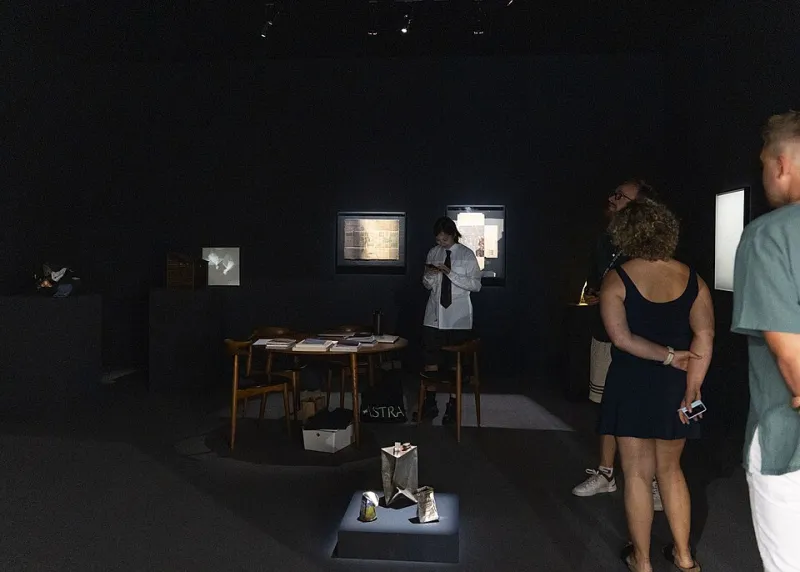
Photo: Kalai Ramu, CC BY-SA 4.0, via Wikimedia Commons
There's a particular kind of irony that settles over a city when its creative soul becomes a luxury product. Greenville has been riding an extraordinary cultural wave for the better part of a decade — new galleries opening on what used to be forgotten side streets, music venues drawing national acts, arts festivals that land on regional best-of lists year after year. It's genuinely exciting. It's also, increasingly, expensive as hell.
Ask around in the neighborhoods that fed this scene — the working-class pockets of the West End, the students cramming into shared rentals near downtown, the longtime residents who showed up to warehouse openings before warehouse openings were a thing — and you'll hear a version of the same story. The city got cool. The city got noticed. And somewhere in that transition, the ticket prices doubled.
From Free to Forty Bucks
Five years ago, a Friday night in Greenville's arts district could cost you nothing more than gas money and maybe a beer. Pop-up shows, open studio nights, free gallery walks — the culture was porous, welcoming, and deliberately low-barrier. That accessibility wasn't accidental. It was a philosophy, baked into the DNA of a scene that grew up outside of institutional funding and corporate sponsorship.
Now? A single evening at one of the city's more prominent gallery openings can run $25 to $40 just to get through the door, before you've touched a drink or bought a print. Ticketed arts events that used to operate on a suggested donation model have shifted to fixed pricing. Festival day passes have crept past the $60 mark. And the ancillary costs — parking in a downtown that's rapidly losing its cheap lots, dinner at the trendy spots that opened alongside the galleries — stack up fast.
For a family scraping together a weekend budget, or a young artist working a service job to fund their practice, those numbers aren't just inconvenient. They're a wall.
The People Who Built This
What makes this particularly thorny is the question of origin. Greenville's arts scene didn't emerge from a city planning document or a developer's vision board. It was built by artists who moved here because rent was cheap, by organizers who threw events because they wanted community, by audiences who showed up faithfully when there was nothing glamorous about showing up.
Many of those same people are now watching the scene they cultivated become inaccessible to them. A muralist who's contributed to some of the city's most recognizable public art told us she hasn't attended a major gallery opening in over a year — not because she lost interest, but because between the admission fee, a babysitter, and a tank of gas, it stopped being a realistic option on her income.
She's not alone. Across conversations with artists, longtime attendees, and community organizers, a pattern emerges: the people most responsible for making Greenville feel like a place worth caring about are being quietly edged out of the experience.
The Affordability Initiatives: Real Help or Good PR?
To be fair, some organizations are trying. A handful of Greenville's established arts institutions have rolled out pay-what-you-can nights, community pricing tiers, and free admission windows on select evenings. A few festivals have introduced scholarship tickets or neighborhood partnerships aimed at reducing financial barriers.
But critics argue these efforts, however well-intentioned, are operating at the margins of a much larger structural problem. A single free Tuesday night doesn't undo the cultural signal sent by a $45 Saturday ticket price. And when free or reduced-cost access gets tucked into off-peak hours or requires advance registration through platforms that assume reliable internet access and tech fluency, the message — however unintentional — is that full participation is reserved for people who can pay for it.
There's also the question of visibility. Affordability programs that aren't prominently promoted might as well not exist for the communities they're supposed to serve. Word-of-mouth only travels so far, and if the people who most need to know about a sliding-scale option aren't already connected to an organization's email list or social media presence, they're unlikely to find out.
Gentrification Doesn't Announce Itself
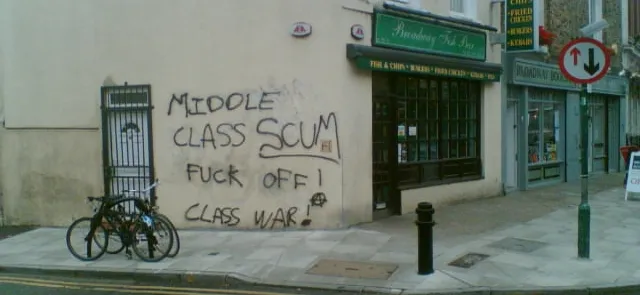
Here's the uncomfortable truth that hovers over all of this: cultural gentrification rarely looks like a hostile takeover. It looks like success. It looks like growth, investment, national recognition, and all the things a city is supposed to want. The galleries that now charge admission are doing so because their operating costs went up when the neighborhood got desirable. The festivals that raised ticket prices are dealing with production expenses that scale with ambition and audience size.
None of that makes the outcome less damaging for the people it excludes. And it does exclude people — systematically, quietly, and in ways that tend to track along familiar lines of race and class.
Greenville is a majority-minority city with a significant population of residents living below or near the poverty line. The idea that a thriving arts scene is a win for the whole city only holds up if the whole city can actually access it. Right now, that's a claim worth interrogating seriously.
What Would Actually Help
Some of the most practical suggestions come from artists and organizers who've been thinking about this longer than the institutions have. Permanent, unconditional free admission to at least one major gallery night per month — not a special event, just a standing policy. Festival pricing tiers that are genuinely tiered, not just cosmetically so. Community board seats for residents from underserved neighborhoods, with actual decision-making power over programming and pricing. And a citywide conversation — not a panel at a $50-a-ticket symposium, but a real one — about what accessibility means and who's responsible for maintaining it.
The infrastructure for this exists. What's sometimes missing is the institutional will to treat affordability as a core value rather than a line item in a grant proposal.
The Scene Greenville Deserves
Greenville's cultural renaissance is real, and it's worth celebrating. The talent here is extraordinary, the energy is genuine, and the city has earned its reputation as a place where creative work matters. But a scene that prices out its own foundation isn't sustainable — not creatively, not ethically, and not in any way that honors the people who made it worth caring about in the first place.
The question isn't whether Greenville can keep growing. It's whether it can grow without abandoning the people who planted the seeds. That answer isn't written yet. But the longer it goes unasked out loud, the more it gets answered by default — and not in anyone's favor.