Something in the Water: Why Greenville Keeps Turning Artistic Risk Into a Way of Life
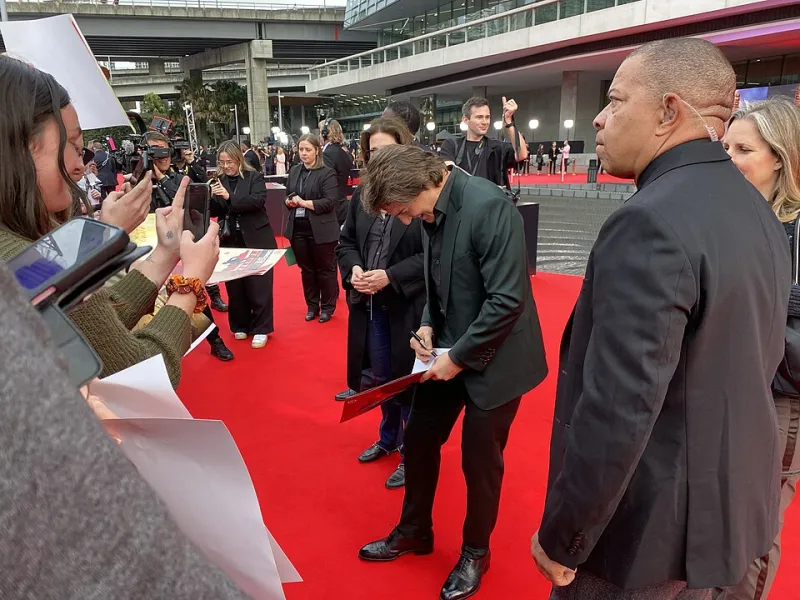
Photo: Eva Rinaldi from Abbotsford, Australia, CC BY-SA 2.0, via Wikimedia Commons
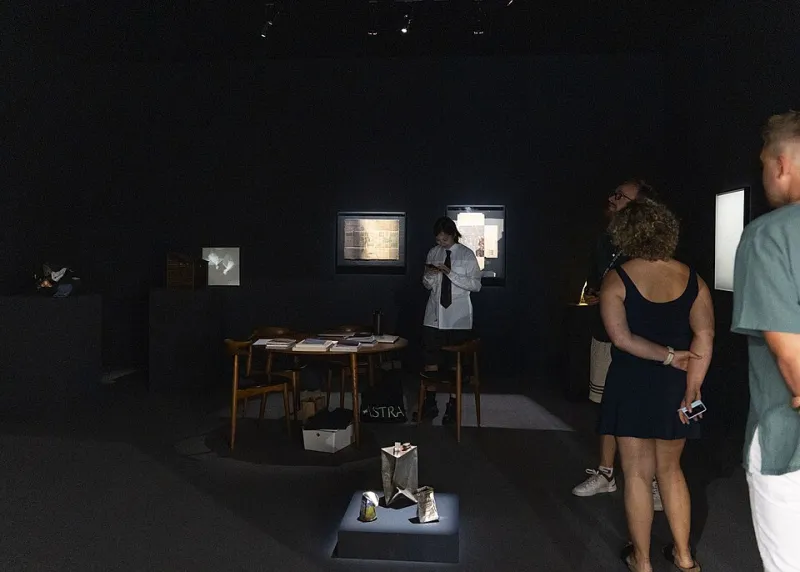
Greenville isn't supposed to be a hotbed for experimental art. It doesn't have the density of New York, the mythology of Chicago, or the institutional backing of Los Angeles. And yet, artists keep showing up here, making weird work, and somehow thriving. We went looking for the reason why.
Ask any artist who relocated here from a bigger market and you'll hear a version of the same story. They came for the affordability, or for a partner's job, or just to slow down. Then something unexpected happened: they started making the best work of their lives. Not because Greenville handed them resources or recognition. But because nobody was watching closely enough to tell them they were doing it wrong.
The Invisible Advantage of Being Overlooked
There's a particular kind of freedom that comes from operating in a city that the national art world hasn't fully claimed yet. In New York or LA, every gallery opening is a performance for critics, collectors, and the algorithm. The stakes are so high and so visible that a lot of artists — especially early-career ones — end up making safe work just to survive the scrutiny.
Greenville doesn't have that problem. The critical infrastructure here is still thin enough that artists can experiment without the weight of a scene breathing down their necks. There's no dominant aesthetic to conform to, no entrenched clique controlling which voices get amplified. That vacuum, counterintuitively, functions as an invitation.
"I made my first genuinely strange piece after I moved here," says one multimedia artist who relocated from Philadelphia three years ago. "Back home, I knew exactly how it would land and who would judge it. Here, I didn't know the rules, so I stopped following them."
That's not a small thing. The willingness to fail publicly — to put something unfinished or uncomfortable in front of an audience before it's polished into something safe — is one of the rarest and most important conditions for genuine creative risk. Greenville, for reasons partly structural and partly cultural, seems to produce it in abundance.
Real Estate as Creative Policy
Let's be honest about the economics, because they matter more than anyone wants to admit. The cost of living in Greenville is still meaningfully lower than in gateway cities, and that gap is doing serious creative work.
When a painter doesn't need to work three service jobs to cover rent, they have time. When a sound artist can afford a studio that's more than a closet, they have space. When a theater collective can lease a raw warehouse without a five-year track record and a corporate sponsor, they have room to fail. These aren't romantic abstractions — they're the literal material conditions that make experimental work possible.
The artists who have built the most interesting practices in Greenville over the past decade largely did so during a window when the city was affordable enough to absorb the financial risk of making uncommercial work. Studios in the West End, live-work spaces in Nicholtown, converted industrial buildings near the Reedy River — these weren't glamorous, but they were accessible. And accessibility, in the art world, is everything.
The concern, of course, is that this window is closing. Rents are rising. The neighborhoods that once incubated weird, scrappy, important work are attracting the kind of development that tends to follow creative communities around and then displace them. It's a cycle so well-documented it has its own vocabulary. Greenville is somewhere in the middle of it right now.
No Gatekeepers, No Waiting List
Beyond the economic conditions, there's something equally important happening at the institutional level — or rather, in the absence of it.
In cities with long-established art scenes, access is tightly managed. You need gallery representation to show work. You need critical coverage to get representation. You need the right connections to get coverage. The whole system is self-reinforcing, and it tends to reproduce the tastes and values of whoever was already in charge.
Greenville's art infrastructure is young enough that these hierarchies haven't fully calcified. The institutions that do exist — and there are good ones — haven't been around long enough to become gatekeepers in the traditional sense. Which means artists here have had unusual freedom to self-organize, create their own venues, set their own terms, and build audiences through direct relationship rather than institutional endorsement.
This isn't unique to Greenville, but the city's particular combination of a growing population, a relatively educated and curious creative class, and a civic culture that's been willing to invest in arts infrastructure without over-programming it has produced something genuinely distinct. There's enough audience here to sustain serious work. There's not yet enough institutional inertia to strangle it.
The Critical Mass Problem
For a risk-taking creative scene to sustain itself, you need a certain density of people willing to take risks together. Isolated weirdness doesn't compound into a movement. It just fades.
What Greenville has managed — and this is the part that's hardest to engineer — is a genuine clustering of artists who are in conversation with each other across disciplines. Painters showing up to noise performances. Poets collaborating with graphic designers. Choreographers working with installation artists. The cross-pollination is real, and it's producing work that wouldn't exist if everyone stayed in their lane.
This kind of creative community doesn't happen by accident, but it also doesn't happen by decree. It requires enough people in enough proximity with enough shared investment in the scene's health. Greenville hit that threshold sometime in the last decade, and the work has gotten noticeably stranger and more ambitious since.
What Growth Threatens — and What It Doesn't
The question everyone is asking, whether they say it out loud or not, is whether Greenville can hold onto this as it grows. It's a fair question, and there's no clean answer.
Growth will bring more resources, more audience, more visibility. It will also bring higher costs, more competition for space, and the slow accumulation of the kind of institutional gatekeeping that currently doesn't exist here. Some of what makes Greenville creatively fertile is a function of its current size and stage of development. That won't last forever.
But here's the counterargument: the artists who built this scene didn't do it because conditions were ideal. They did it because they were stubborn, resourceful, and genuinely committed to making work that mattered more than work that sold. That orientation doesn't disappear when a city gets bigger. It just has to fight harder to survive.
The Greenville effect — that particular cocktail of affordability, openness, and absence of entrenched hierarchy — is real. It's produced real work, real careers, real moments of genuine artistic courage. Whether the city can protect the conditions that made it possible, or whether it will gradually optimize itself into something more respectable and less alive, is the defining creative question of the next ten years.
The answer isn't written yet. But the artists are still here, still making strange things, still betting on themselves in a city that, so far, has been willing to bet back.